Decoration
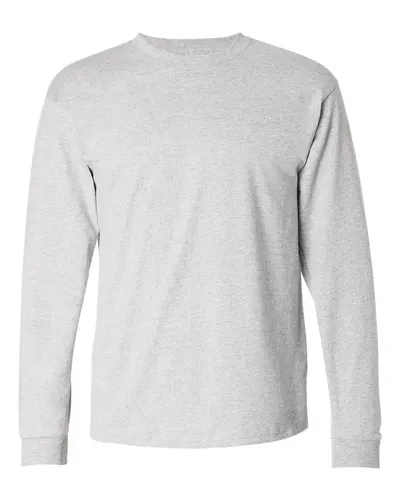
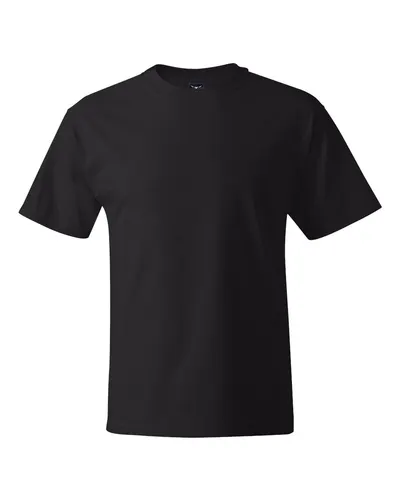
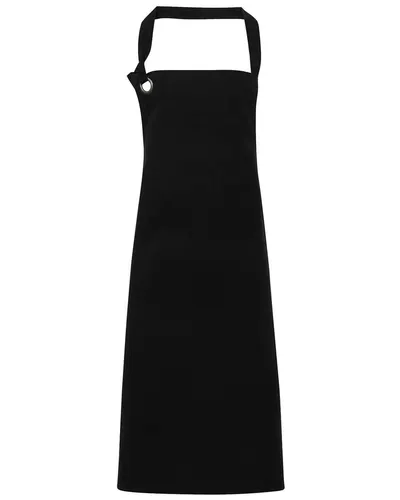
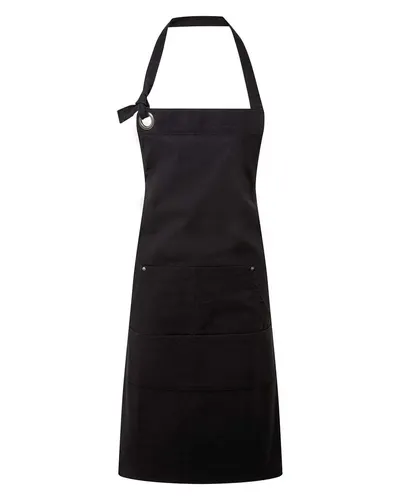
Blank apparel for screen printing
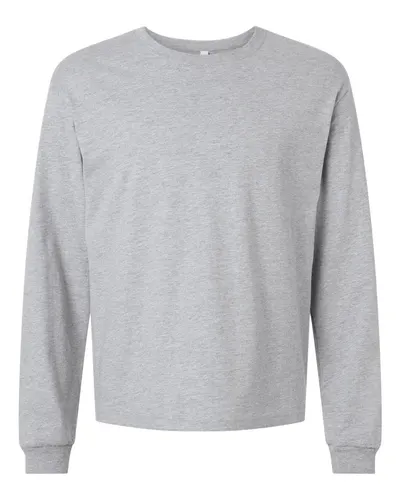
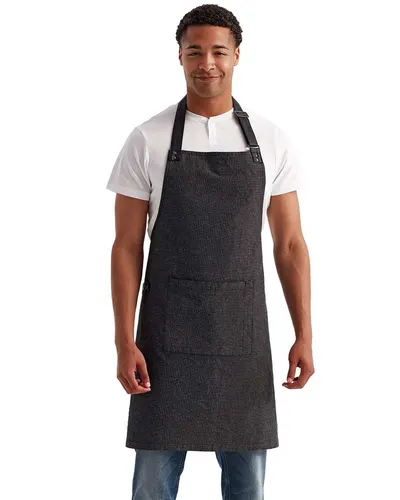
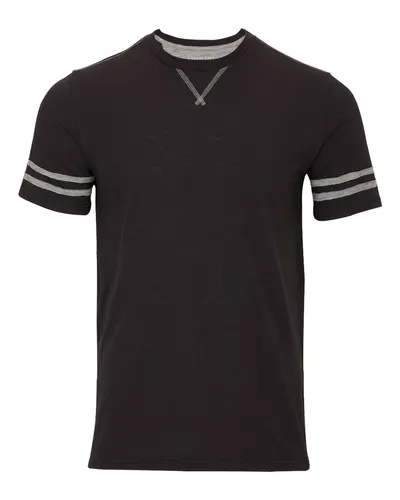
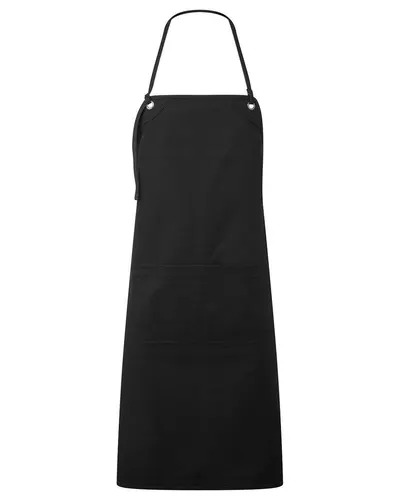
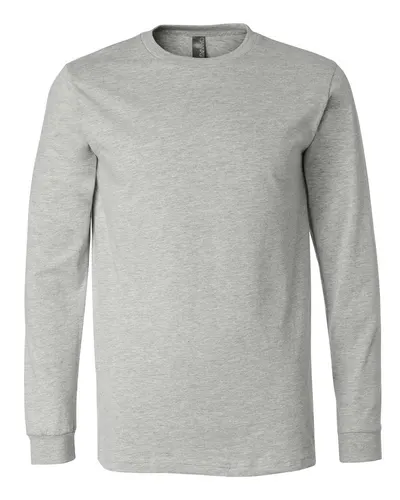
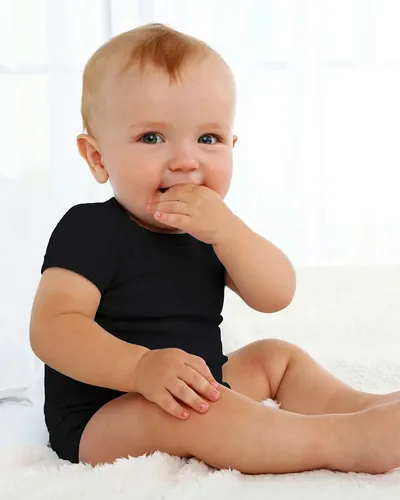
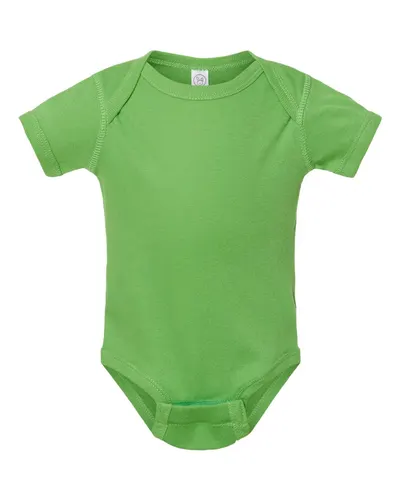
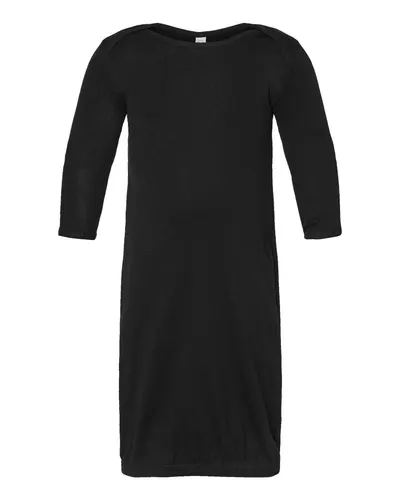
Screen printing rewards stable, cotton-dominant fabric: ink sits on the surface, cures predictably, and holds hard edges through hundreds of washes. Every garment below is rated Excellent for screen printing by VisePrint’s compatibility rules, based on its stated fiber content, weight, and surface.
Polyester and blends still print well — they just need a low-bleed or poly-specific ink system to prevent dye migration. Those garments carry a Good rating with the caveat attached.
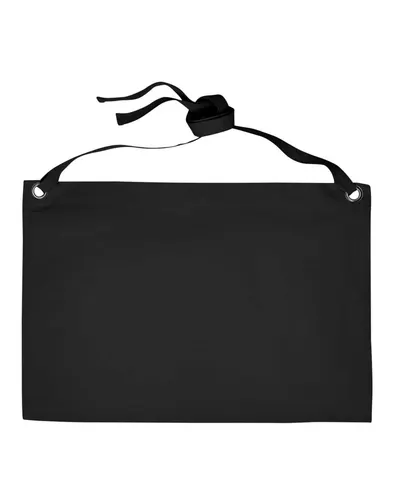
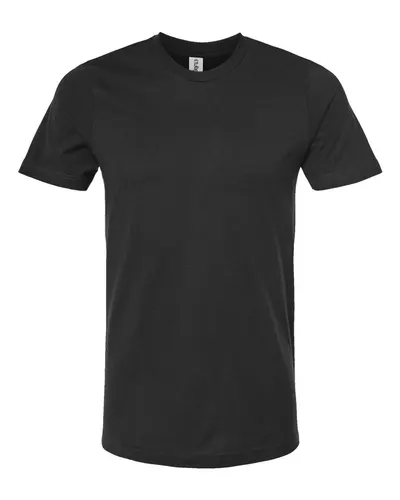
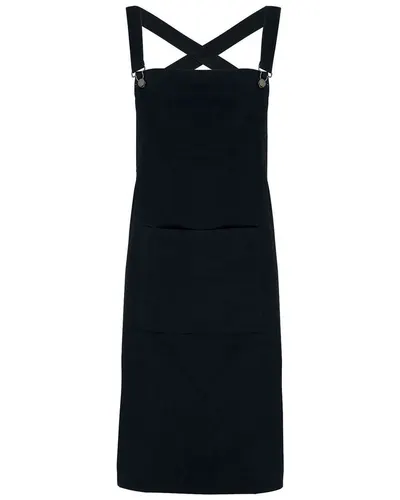
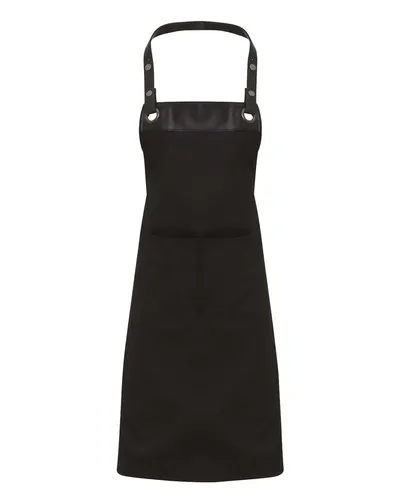
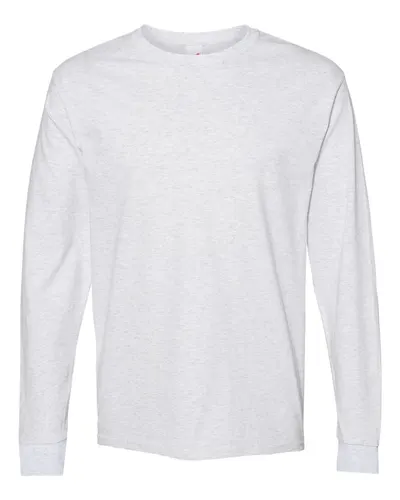
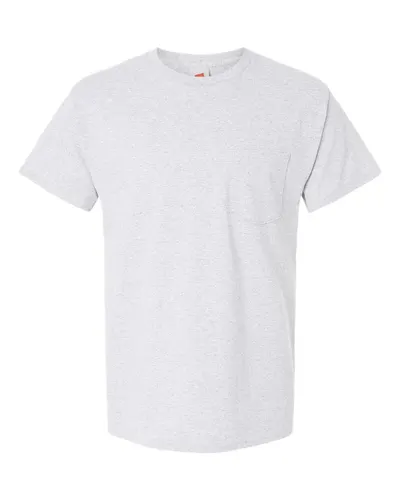
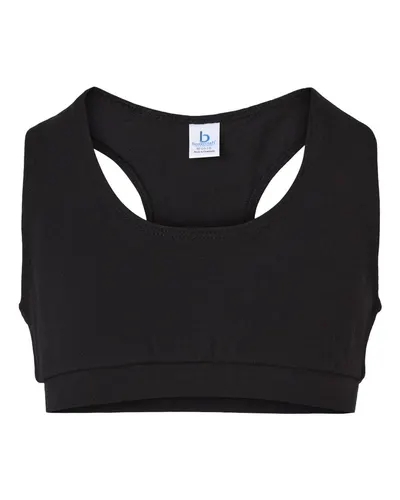
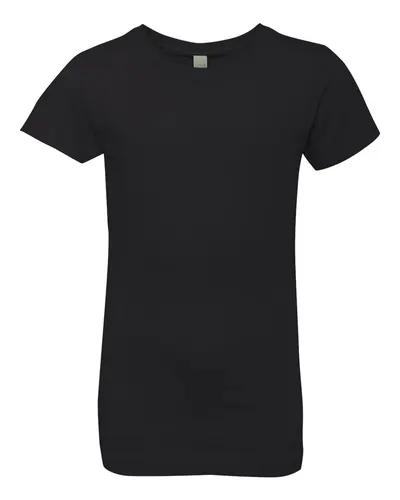
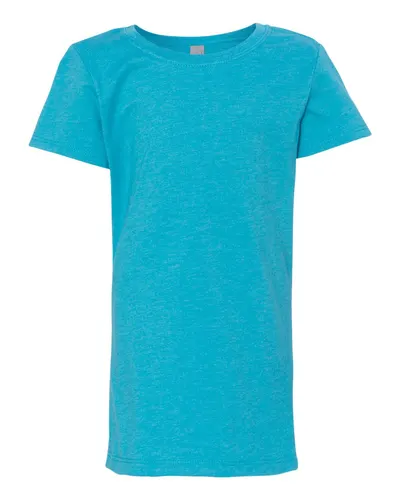
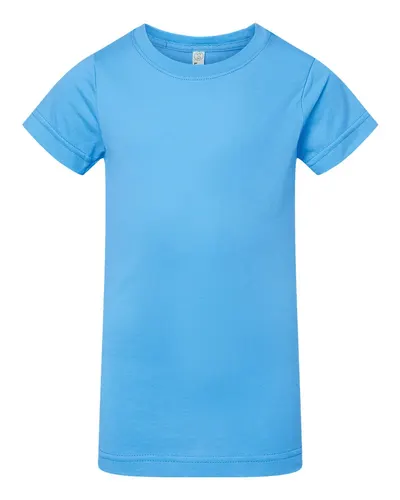
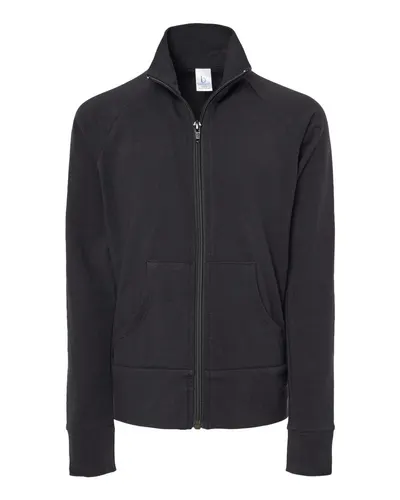
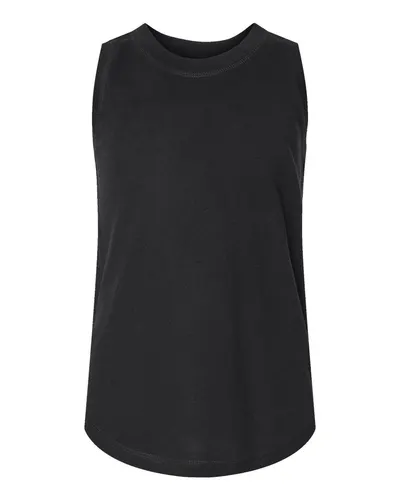
How to choose
- For hard-edged spot color and dense coverage, favor 5.5 oz+ cotton bodies — they keep screens flat and edges crisp.
- Printing on heathers, safety colors, or performance fabric? Plan an underbase and low-bleed ink from the start.
- High-volume promo runs live on open-end cotton economics; retail merch reads better on ring-spun surfaces.
What goes wrong
- Running standard plastisol on 50/50 or polyester garments — dye migration turns white ink pink weeks later.
- Ignoring surface texture: piqué and fleece eat fine detail without a higher mesh count and underbase.
Common questions
- What fabric is best for screen printing?
- Cotton-dominant jersey knits print most predictably: ink cures at standard temperatures without dye migration. That is why most garments rated Excellent here are 100% cotton or cotton-rich bodies.
- Can you screen print polyester?
- Yes — with a low-bleed or polyester-specific ink system and lower cure temperatures. Standard plastisol on polyester risks dye migration, which is why poly-heavy garments rate Good with that caveat rather than Excellent.
From the glossary: Plastisol Ink · Underbase · Dye Migration · Ringspun Cotton · Mesh Count
Browse categories: T-Shirts · Hoodies · Sweatshirts